Club and Community Website Examples
Browse 15 real club and community businesses across Webflow, Squarespace, and Framer.
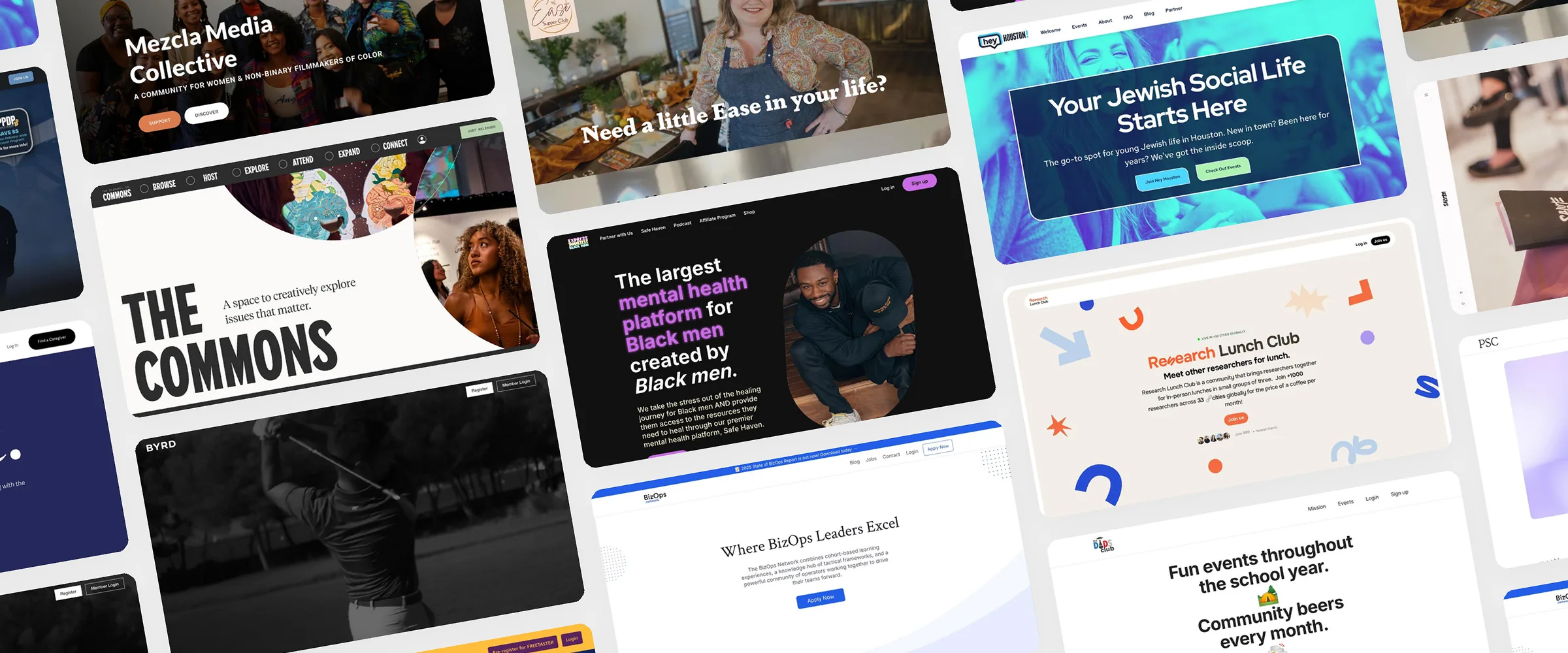
A community’s website has to do more than look good. It has to make the right people feel like they belong before they’ve met anyone, turn interest into a paid (or at least registered) membership, and then keep members coming back long after they’ve joined.
Most clubs and communities start with a group chat, a spreadsheet, and someone collecting payments by hand. That works until it doesn’t. The best community websites replace that patchwork with one smooth experience, from first visit to signup, payment, member-only access, and the next event.
Below are real clubs and communities: professional networks, mental health communities, supper clubs, choirs, golf clubs, parent groups, and creative collectives. They’re built on Webflow, Squarespace, and Framer. For each one, you’ll see who it’s for and what members get. Use them for inspiration whether you’re launching a new community or moving an existing one off a patchwork of tools.


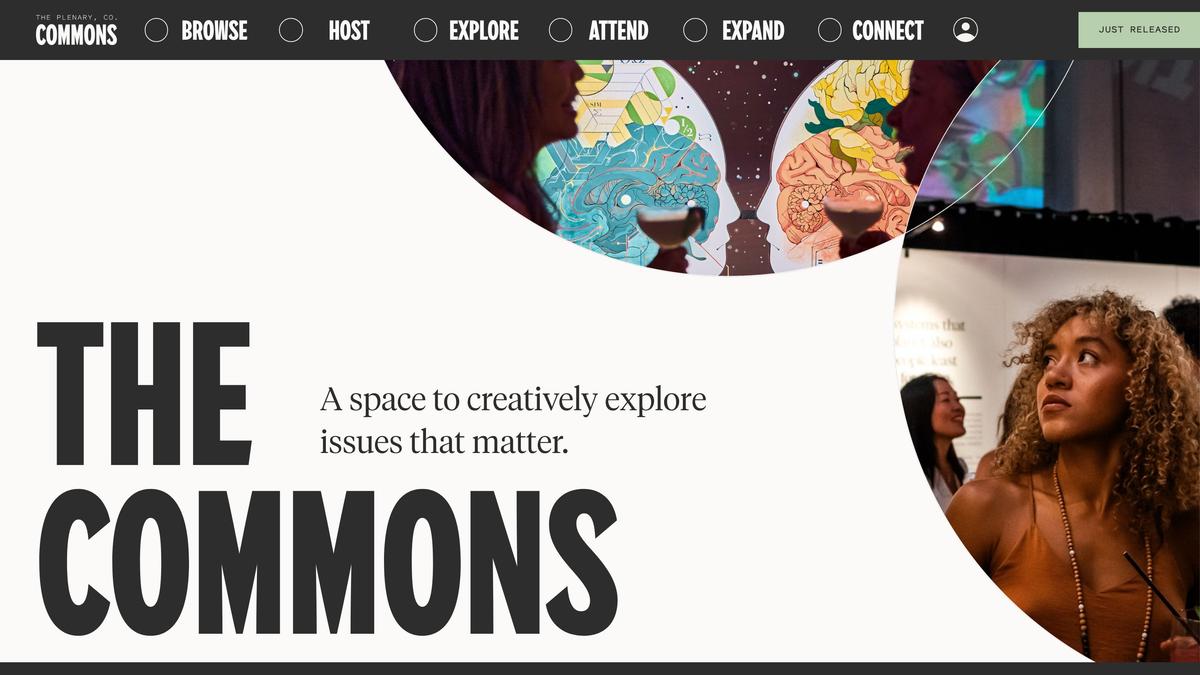




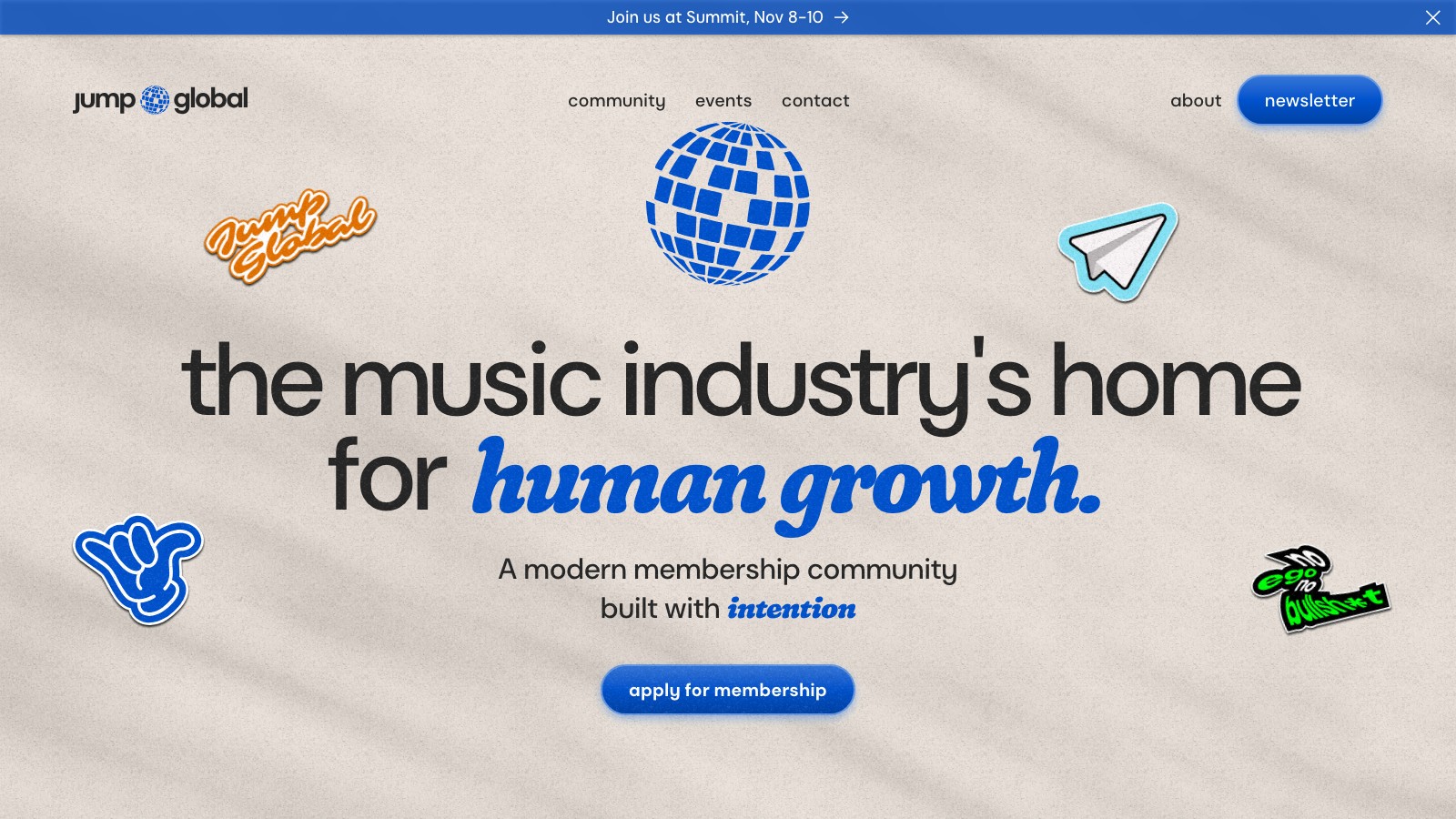


Takeaways from successful community sites
The best club and community websites follow a few clear patterns.
- They say exactly who belongs. “Presales professionals” (PreSales Collective), “BizOps leaders” (BizOps Network), “South Asian women professionals” (Salute), and “Black men” (Express Yourself Black Man) each tell the right person in one line that this is their community. A narrow audience makes joining feel like an obvious yes.
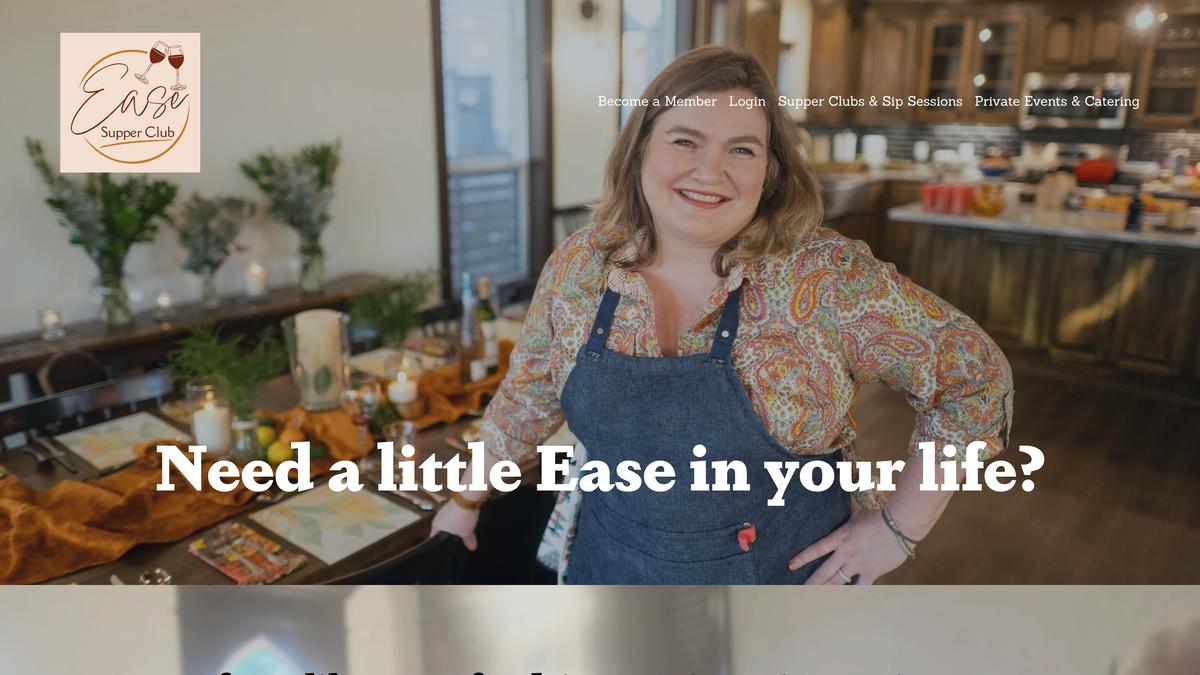
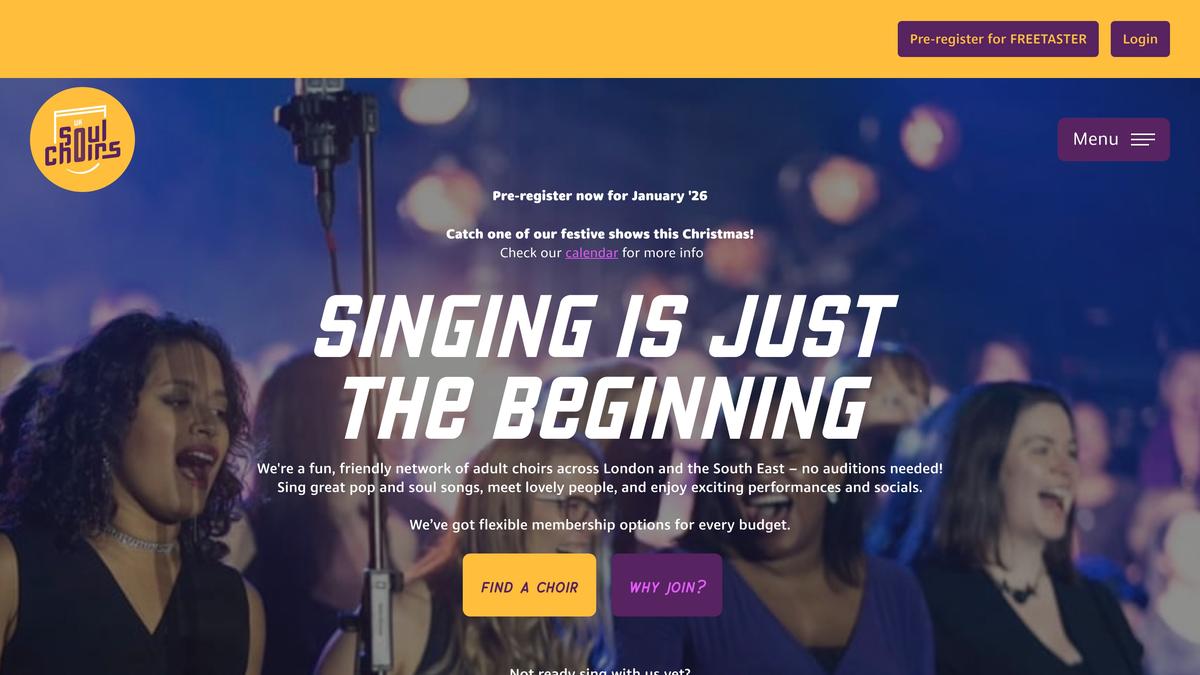
- They sell an experience, not just access. Research Lunch Club organizes monthly small-group lunches. Ease Supper Club hosts themed communal dinners. BYRD runs intimate golf tournaments across Switzerland. UK Soul Choirs holds weekly rehearsals and performances. The membership happens online, but the value happens in person.
- They make it feel safe to join. Express Yourself Black Man calls its membership a Safe Haven, and Boosting Bravery is built around peer support. For communities where members share something personal, a private, members-only space is the whole point, not an add-on.
- They use exclusivity as a feature. Salute and BizOps Network are private communities. BYRD and Ease Supper Club keep their events intimate. When a community is selective, membership signals something, and people value it more.
- They price for their audience. Research Lunch Club costs about as much as a coffee. UK Soul Choirs offers flexible membership options. Hey Houston is free. There’s no standard price for a community, only the right one for the people in it.
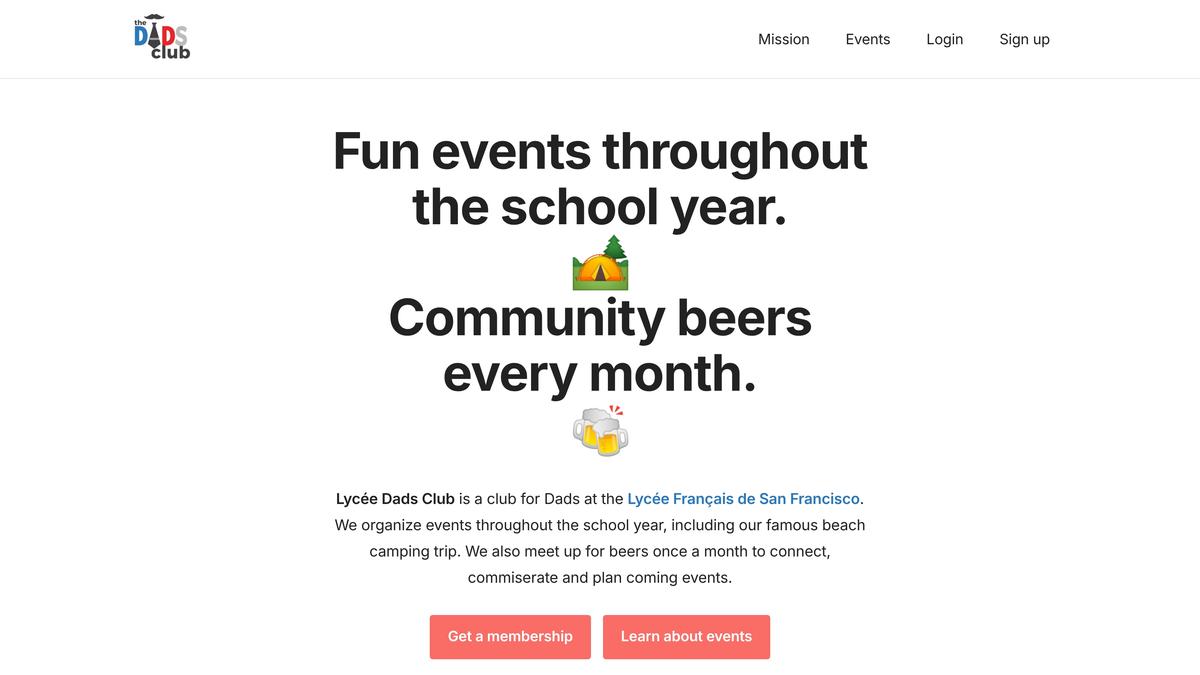
- They don’t have to charge to need membership. Hey Houston is free, and Lycée Dads Club is volunteer-run. They still need signups, a member list, and a way to reach everyone. Knowing who’s in your community matters even when nobody pays.
- They give members a reason to stay. BizOps Network runs cohort-based learning and mentorship. PreSales Collective offers training and career development. Express Yourself Black Man pairs its Safe Haven membership with a podcast and healing resources. Ongoing programming and content are what turn a one-time join into a renewal.
What’s possible
The communities above show how many ways there are to run one:
- Support and wellness communities: Express Yourself Black Man combines a paid Safe Haven membership with free resources and a podcast that bring new people in.
- Professional networks: PreSales Collective, BizOps Network, and Salute help people grow their careers alongside peers.
- Recurring in-person clubs: Research Lunch Club, Ease Supper Club, BYRD, and UK Soul Choirs sell regular real-world gatherings.
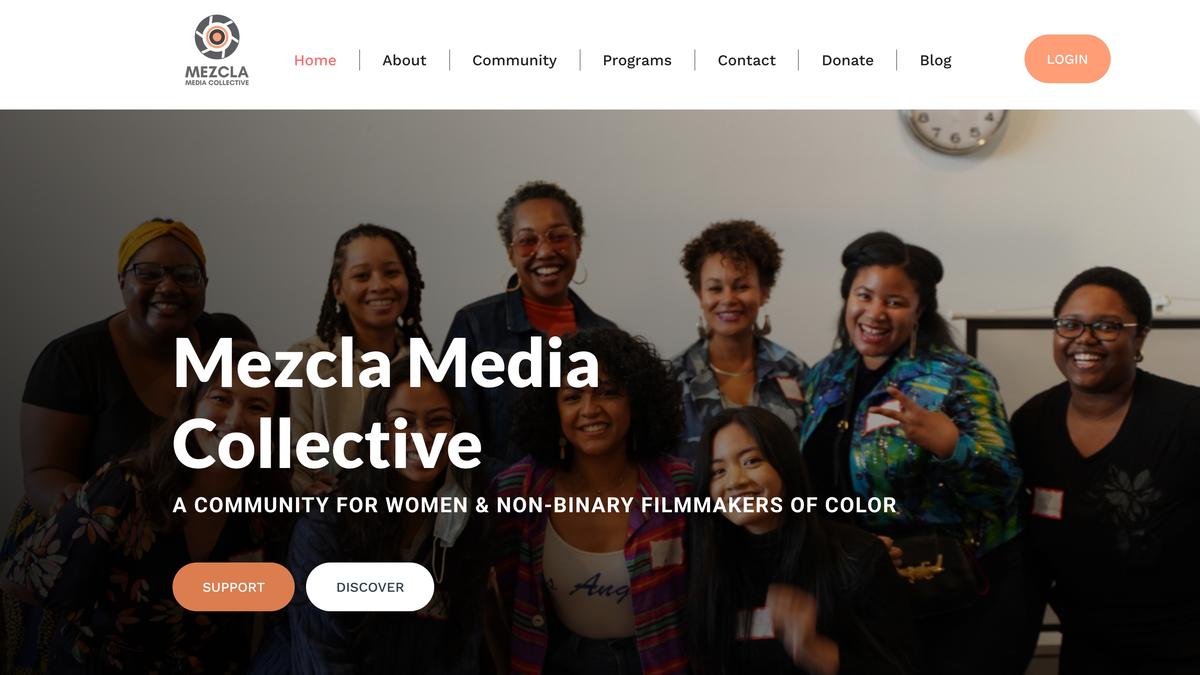
- Nonprofits and guilds: Mezcla Media Collective and The Screen Guild combine membership with programs, resources, and advocacy.
- Free and volunteer-run groups: Hey Houston and Lycée Dads Club use membership to organize people, not to make money.
You don’t need thousands of members to build a thriving community. A few dozen people who show up every month is often worth more than a big list nobody engages with.
Why these platforms?
The communities on this page are built on Webflow, Squarespace, and Framer. There’s no single “right” website builder for a community. The best choice is whatever you can design and update yourself.
What matters more is what’s behind it: signups, payments, member-only pages, a member list, and a way to email everyone. Many community platforms make you host everything inside their app, on their domain, with their branding. Outseta works the other way around. It adds membership to the website you already have, and it comes with you if you switch website builders later.
Already running discussions in Circle, Discord, or Slack? Outseta can handle signups and payments in front of it.
Get ready to grow your community
Outseta adds membership to any website (Webflow, Squarespace, Framer, WordPress, or custom code) and gives clubs and communities one system for:
- Member signups and login
- Recurring membership payments
- Free, paid, and tiered memberships
- A member database and CRM
- Member emails and newsletters
- Gated member-only pages and content
- Help desk and member support
Keep the website you love. Let Outseta run your membership.
To get started, see pricing, watch a demo, or start your free trial.